

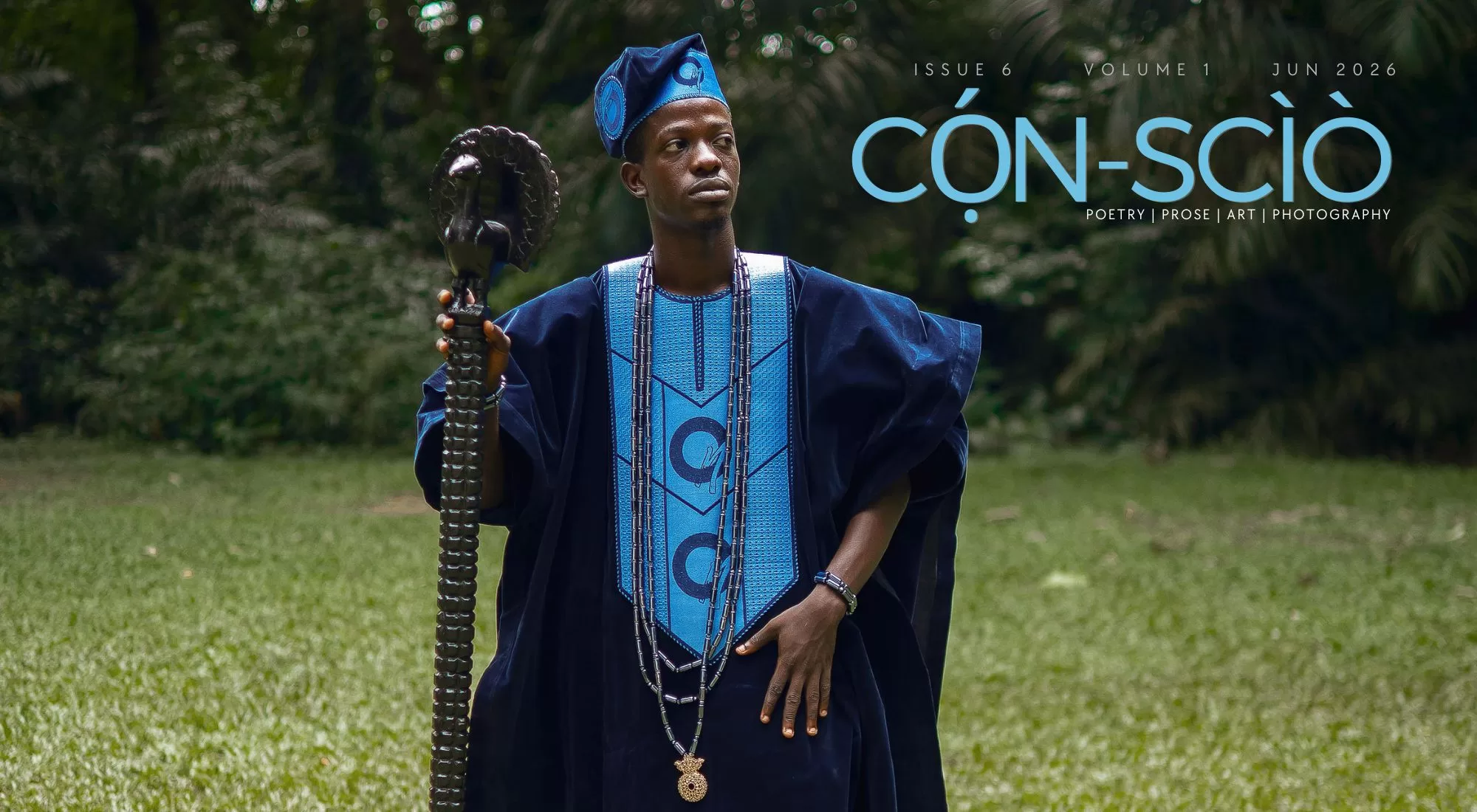

Custodians must expand the language by creating new metaphors, adapting it to technology, film, music, literature, and scholarship. A language that cannot describe the modern world will be abandoned. A custodian makes sure Yorùbá can talk about today without losing its soul or getting watered down.
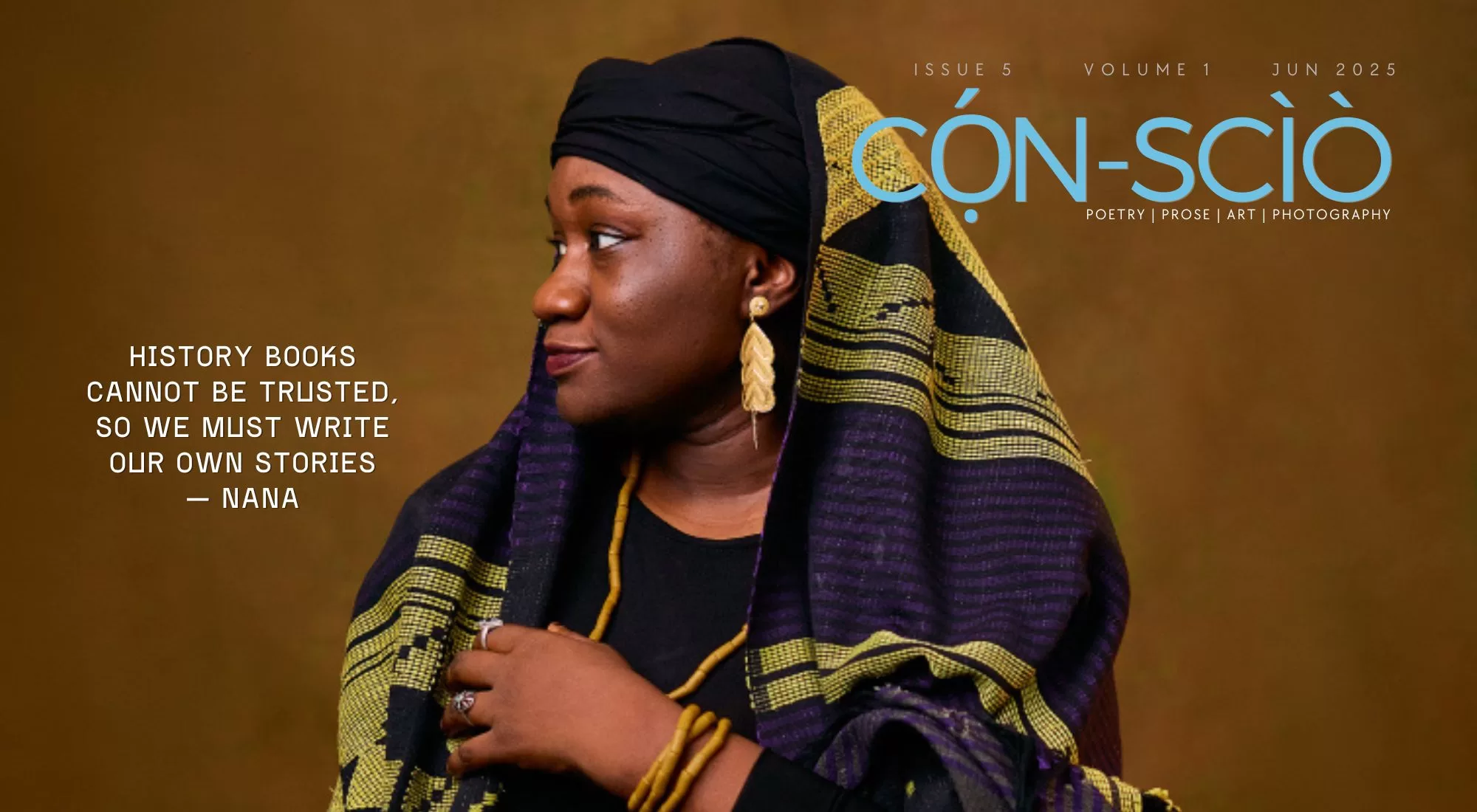
“History Books Cannot Be Trusted, So We Must Write Our Own Stories…“ | A CỌ́N-SCÌÒ Magazine Interview with Nana Sule
We have to write. History books cannot be trusted. We must write our stories, weave them into art, painting, poems—because at the very least, we have to let it be known that we tried. That we resisted. That we didn’t want this to happen, but it did.

“The Future of African Poetry Fills Me With So Much Urgency…“ | A CỌ́N-SCÌÒ Magazine Interview with Adedayo Agarau
The future of African poetry fills me with so much urgency. My vision for the future is practical: more African-led publishing houses, more translation projects between African languages, and more platforms for critical dialogue.
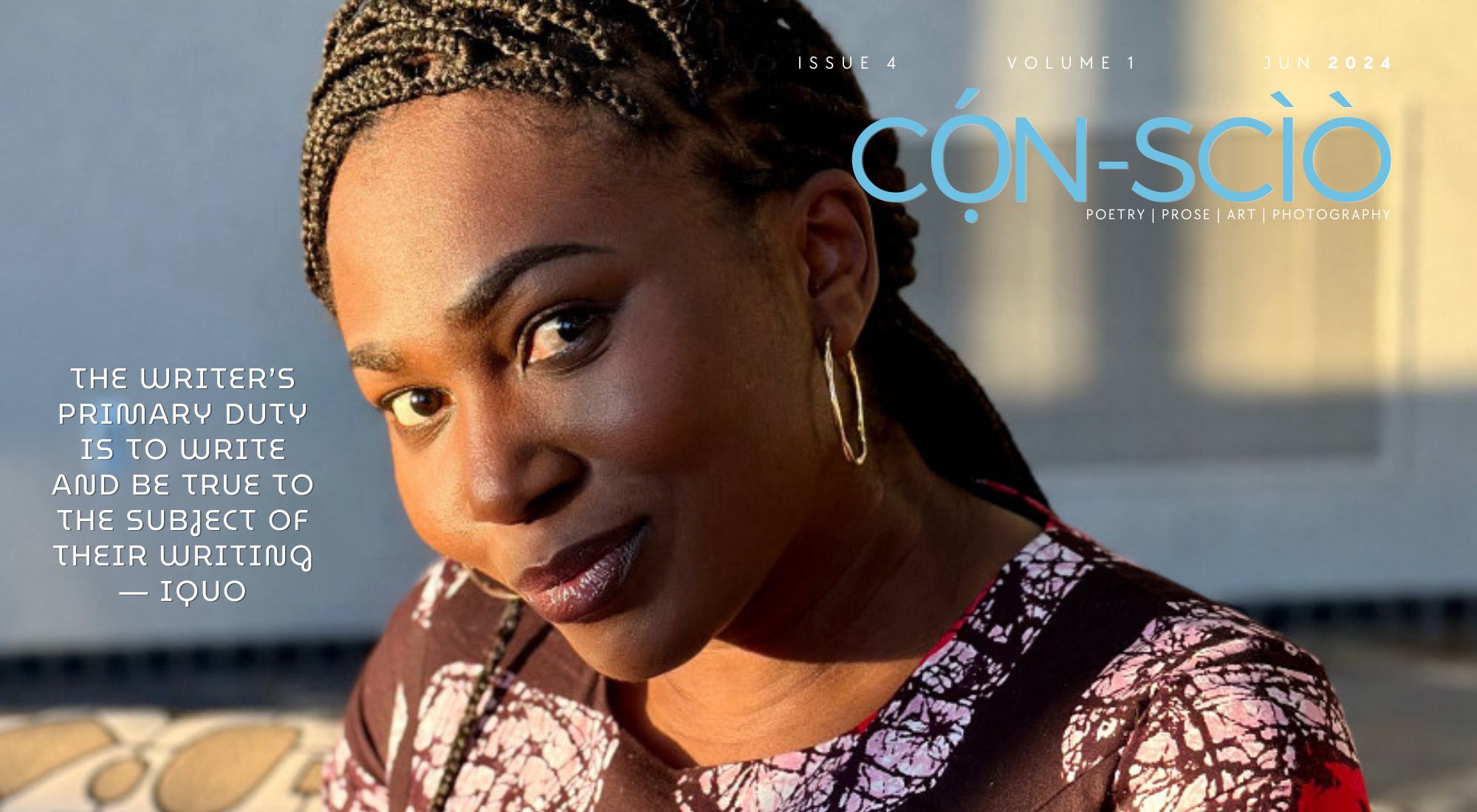
“The Writer’s Primary Duty Is To Write And Be True To The Story Or Subject Of Their Writing“ | A CỌ́N-SCÌÒ Magazine Interview with Iquo DianaAbasi
For this kind of social engineering to happen, there must first be an alteration or elevation of thought and consciousness; and how better to achieve this than with written work or literature in general?
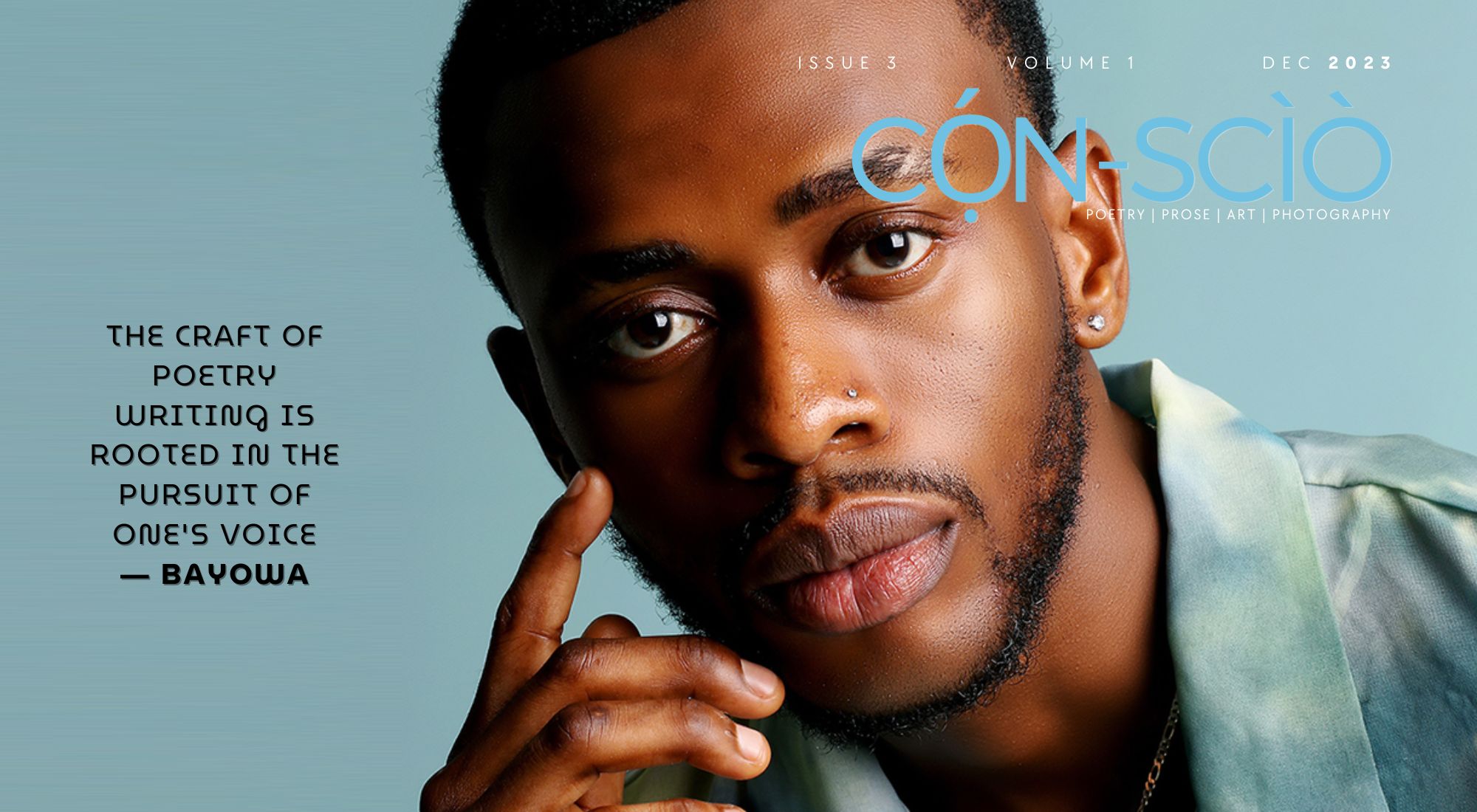
“The Craft Of Poetry Writing Is Rooted In The Pursuit Of One’s Voice”: A CỌ́N-SCÌÒ Magazine ‘Migration’ Issue Interview with Ayomide Bayowa
The craft of poetry writing is rooted in the pursuit of one’s voice, an elusive element that can be found within oneself, whether it be deep within the vocal cords or buried within the pits of one’s impressions.
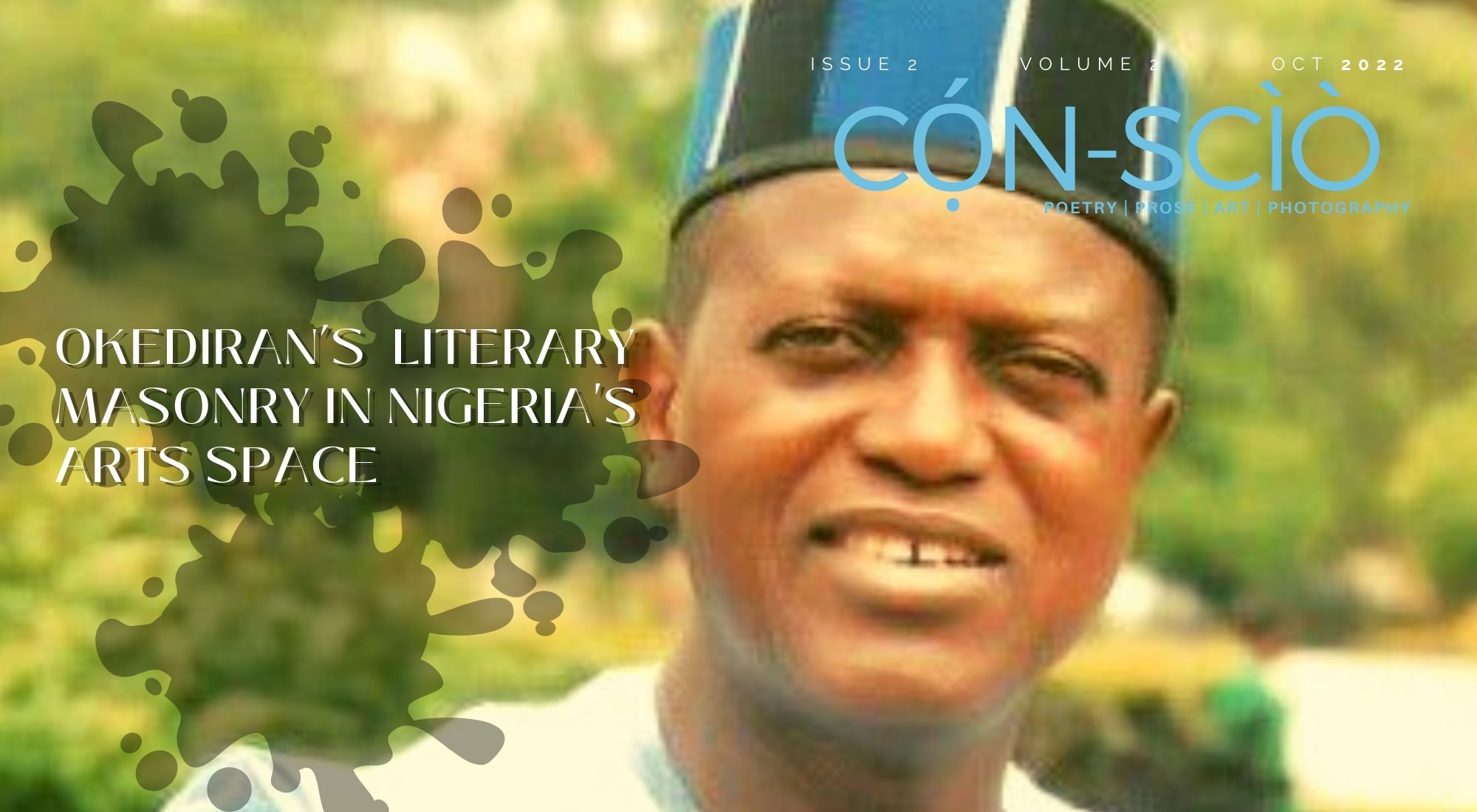
BUILDING A COMMUNITY OF NOTABLE AFRICAN WRITERS: WALE OKEDIRAN’S REMARKABLE LITERARY MASONRY IN NIGERIA’S ARTS SPACE | A CỌ́N-SCÌÒ PACESETTER PROFILE
It is easier for people to hold on and keep on giving their all when they know they have an army of supporters solidly behind them. Through the Ebedi Residency, which has become a comfortable home for many Nigerian writers, Okediran contributes his quota to the growth of “the community” he advocates for.
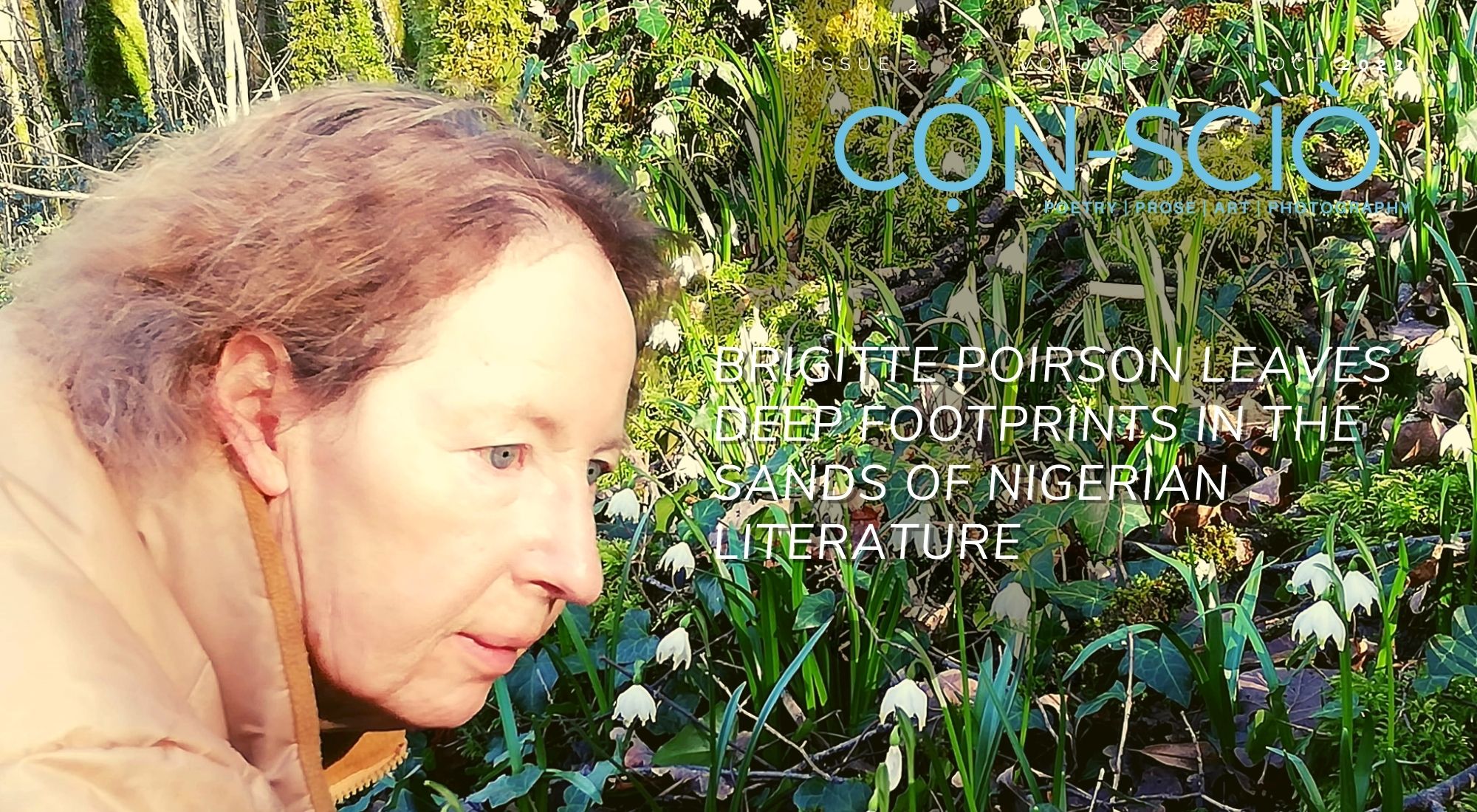
FROM EARLY AFRICAN ROOTS TO SUPPORTING AFRICAN WRITING: BRIGITTE POIRSON LEAVES DEEP FOOTPRINTS IN THE SANDS OF NIGERIAN LITERATURE | A CỌ́N-SCÌÒ PACESETTER PROFILE
Having had her imagination shaped from a young age by African stories, Brigitte Poirson has contributed immensely to the shaping of literature in the country in over a decade of active support. Her mark on Nigerian literature will remain indelible for generations to come.
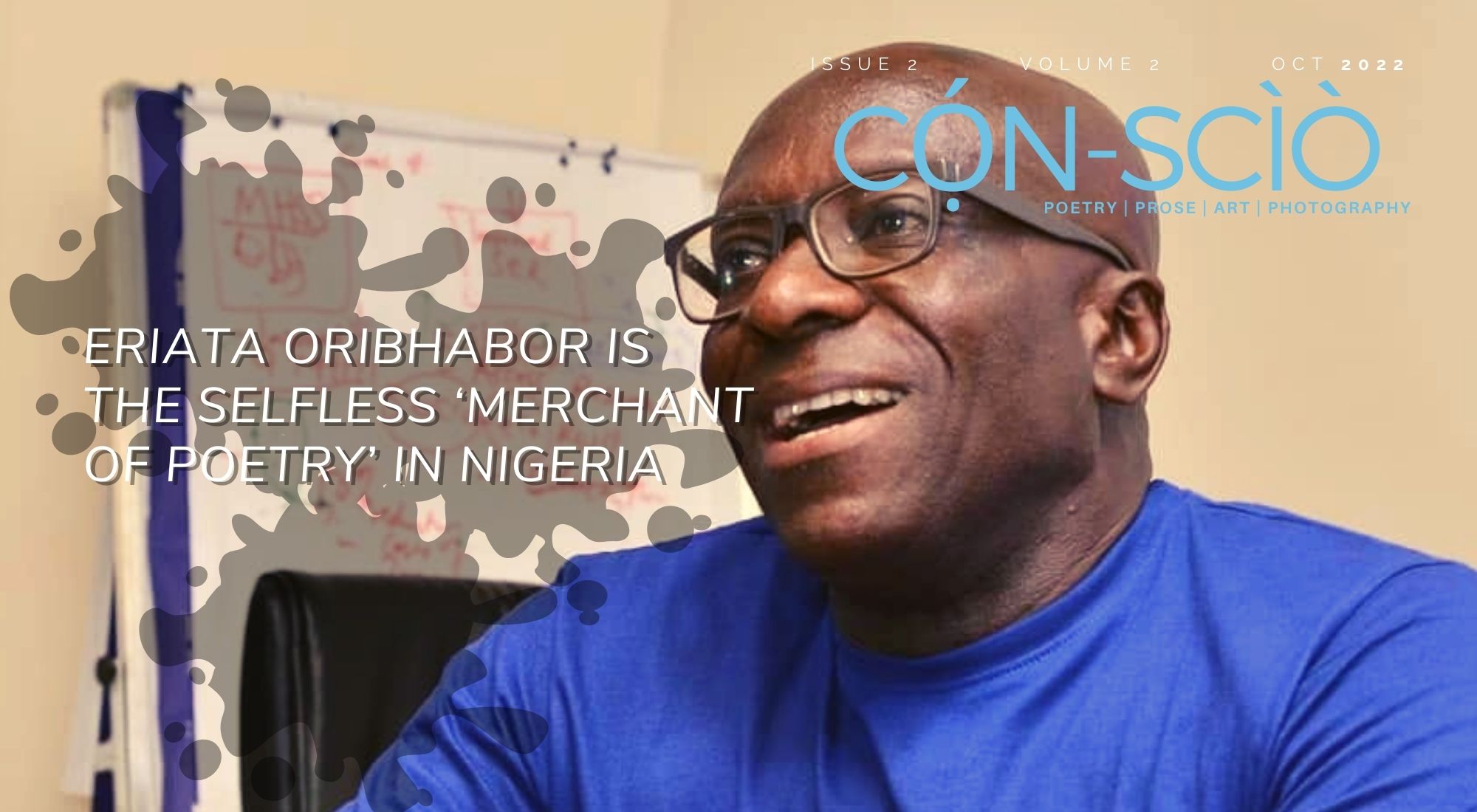
POETICS OF SELFLESSNESS & SOCIAL CHANGE: ERIATA ORIBHABOR IS THE SELFLESS ‘MERCHANT OF POETRY’ IN NIGERIA’S ART INDUSTRY | A CỌ́N-SCÌÒ PACESETTER PROFILE
For Oribhabor, “everyone is an opportunity requiring opportunities to blossom,” and he’s ready to provide these opportunities even when funding and support are not there. He doesn’t mind taking from his personal pockets to encourage young poets, who he believes still have the energy and can afford the selflessness required to use poetry for social change, and he has been doing just that, always thinking of innovative ways to support young and aspiring poets.
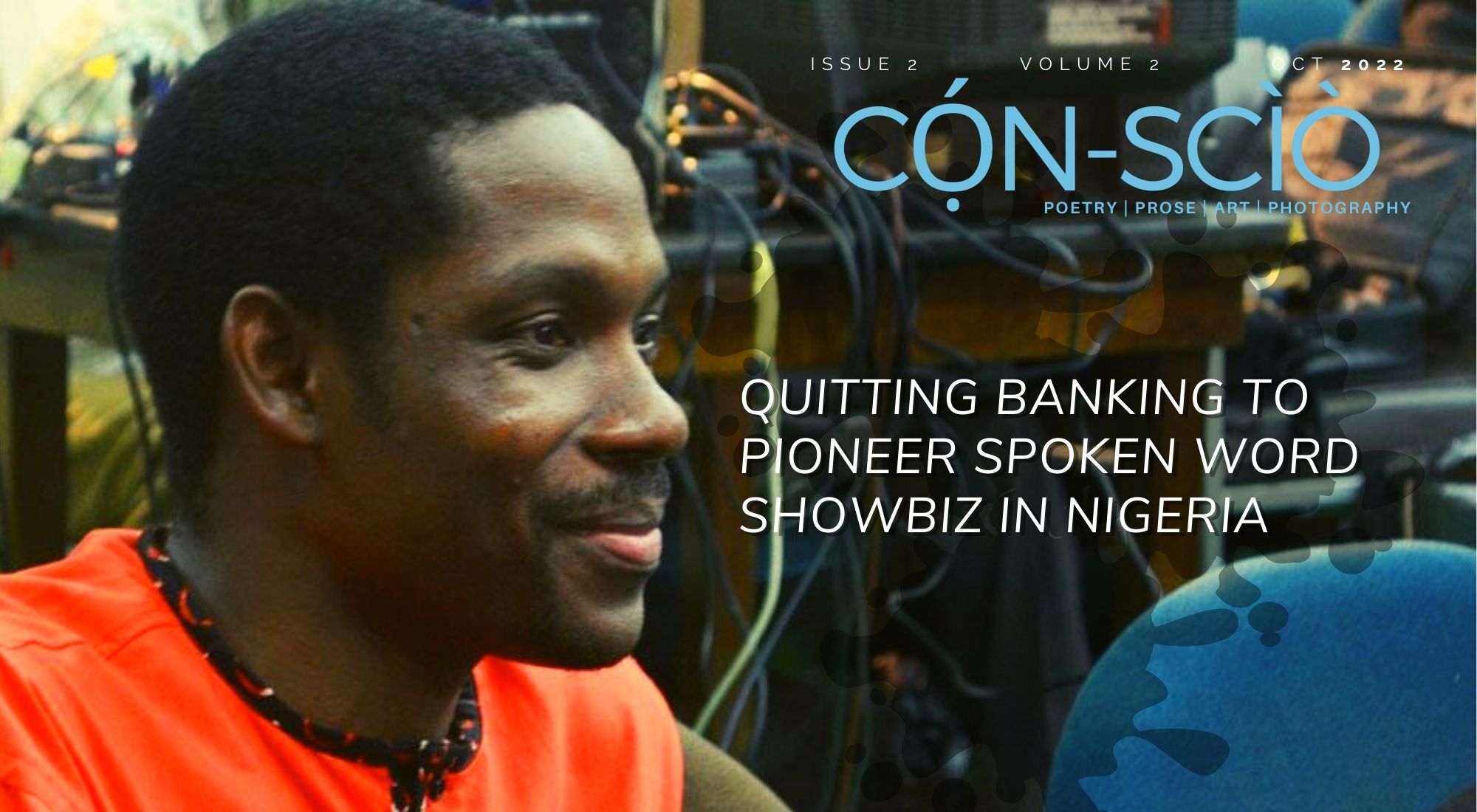
OLUMIDE HOLLOWAY’S AUDACITY, FAITH & PASSION: QUITTING BANKING TO PIONEER THE TRICKY BUSINESS OF SPOKEN WORD SHOWBIZ IN NIGERIA | A CỌ́N-SCÌÒ PACESETTER PROFILE
King Olulu remains a pacesetter in the Nigerian poetry and spoken-word performance business. His works and their fruits speak for themselves, and it is only fitting that his name is etched in the good books of history.

FEMINISM IS ADVOCACY FOR EQUALITY, NOT A GENDER BATTLE: UKAMAKA OLISAKWE TALKS FEMINISM & RELATED THEMES IN OGADINMA WITH CỌ́N-SCÌÒ MAGAZINE
Feminism is advocacy for equality. The idea that it is a battle against a certain gender is disingenuous…people who hold onto these ideas, who underpin feminism with such harmful connotations, do not want to have an honest conversation.