

NOVEL | 149 PAGES
The influx of colonialists onto African soil initiated an enduring debate on cultural preservation and loss, a discussion that persists to this day. Recently, on X (formerly Twitter), debates about the younger generation’s inability to communicate in their native languages sparked widespread criticism and concern, quickly expanding into broader discussions about cultural preservation. It is within this context that Uzomaka J. Eze’s Half Open Lid emerges, a text deeply invested in protecting, preserving, and promoting African culture.
This seven-chapter novel, set in Ameze, examines the influence of “westernisation” on an Igbo community. Through a third-person narrative that shifts across multiple characters’ perspectives, the text explores arguments for preserving cultural traditions while also presenting reasons some individuals believe these traditions should be reconsidered or sidelined.
Characterisation is a key component of the novelette, which the author uses to achieve her narrative objectives. Eze employs characters such as Ekwenugo, Akwaugo, Nwampka, Obieze, Unamba, Ifeatu, and Ubaka to highlight the work’s central themes.
Ekwenugo and Obieze (the King) serve as the protagonists, as they support cultural preservation through both their words and actions. In contrast, Nwampka, Akwaugo (Nwampka’s daughter), and Unamba function as antagonists, whose actions undermine the desire to preserve culture. This is evident when Nwampka argues that the people of Ameze should abandon their so-called primitive ways and embrace new ways of life (Eze 14). His statement reflects the ideology of certain “educated” individuals who criticise traditional culture. However, this perspective directly opposes the views of Ekwenugo and Obieze, who believe that the seductive influence of outsiders is eroding their social structure and threatens the loss of their cultural identity.
Furthermore, the portrayal of westernisation and its impact in the book is marked by several inconsistencies that I find difficult to reconcile. In its attempt to promote cultural preservation, the narrative begins to mirror certain religious frameworks that position a supreme authority above all else. However, instead of the Christian God, tradition itself is elevated to this position, despite the text’s ‘apparent’ opposition to Christianity. This raises questions about whether the author fully understands the issues attributed to Western civilisation.
For instance, the suggestion that feminism leads to lesbianism and fosters hostility towards men, or that gender identity can be altered through violence, presents a reductive and problematic view of these concepts. Additionally, aspects of Unamba’s characterisation reflect a form of westernised conservatism, which complicates the text’s stance on resisting external influence. The novel also portrays queer identities as foreign to the African, specifically Igbo, context. Characters such as Ubaka (a trans character), alongside Akwaugo and Ifeatu (depicted as feminist and lesbian), are framed as social ills attributed to “western culture.”
As a result, the text reinforces the idea that what we often seek to preserve as culture is shaped by our own perceptions of what culture ought to be. This raises important questions: in preserving culture, is it justifiable to retain harmful elements, such as the Osu caste system, the marginalisation of women, or hostility towards those who do not conform to cisgender and heteronormative norms, especially in light of evolving social awareness?
Moreover, it is troubling that the deaths of Ifeatu and Akwaugo, caused by the villagers, serve as the resolution of the narrative. Similarly, the use of the word “gay” in “AMEZE TOWN GOES GAY IN ỌFALA FESTIVAL” (151) in its archaic sense further complicates interpretation. These issues have the tendency to affect any reader’s engagement with the text.
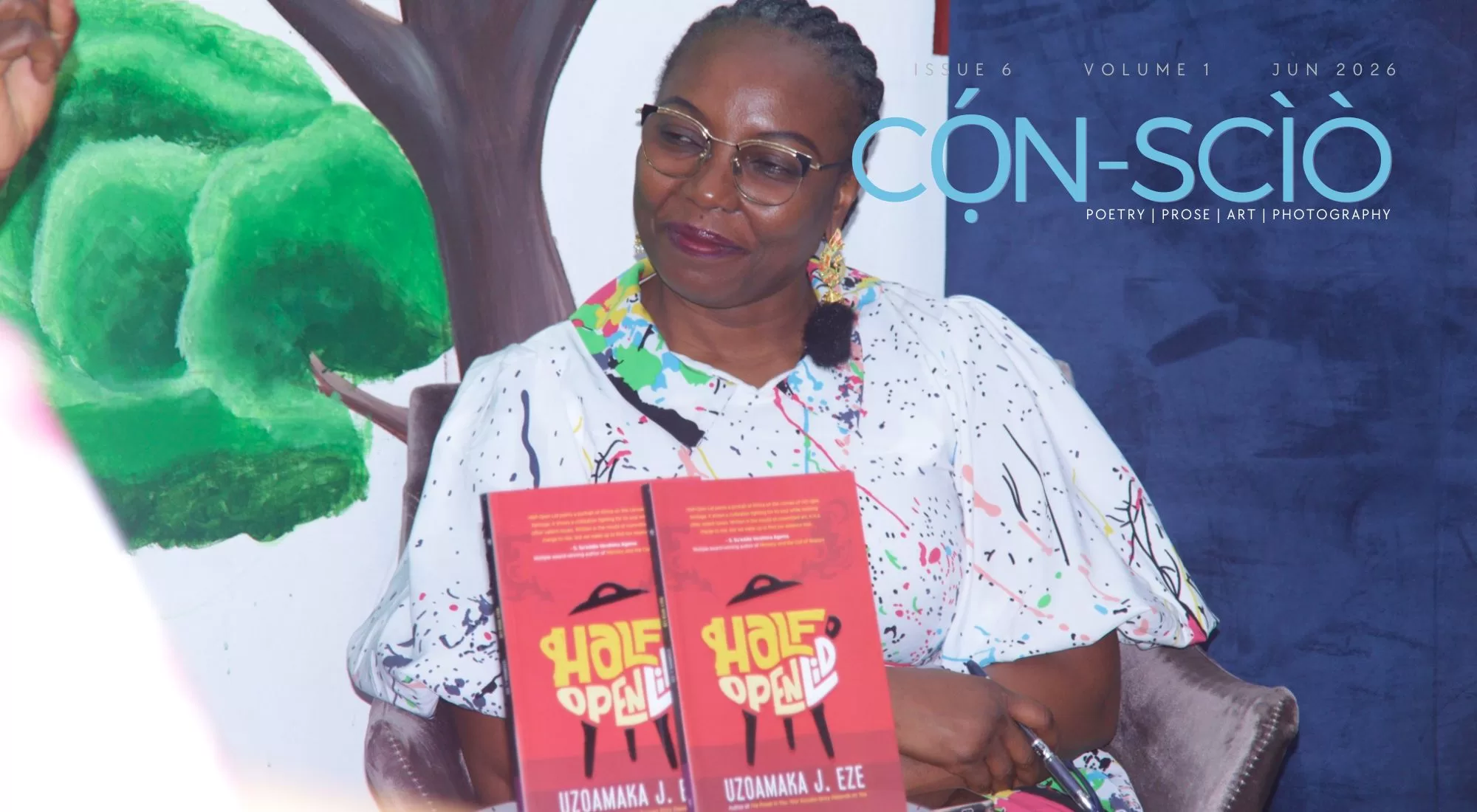
In conclusion, despite its contentious portrayal of westernisation, the book possesses some notable strengths. The cover design and title are particularly engaging; the visual imagery of a pot with smoke forming the title is both creative and evocative, drawing the reader’s attention. The text is also generally well edited, aside from minor errors such as “thanks you” on page 129. Overall, while the book’s discussion of cultural preservation remains relevant in the 21st century, a more balanced and nuanced presentation would have strengthened its impact. It is likely, however, to resonate more strongly with conservative audiences within society.


Godsgift Isaiah is an Afemai-Esan writer who is also a book and music whore. She is always questioning everything from the ‘why do we have to eat?’ to ‘why are humans fixated on strength?’


You must be logged in to post a comment.