

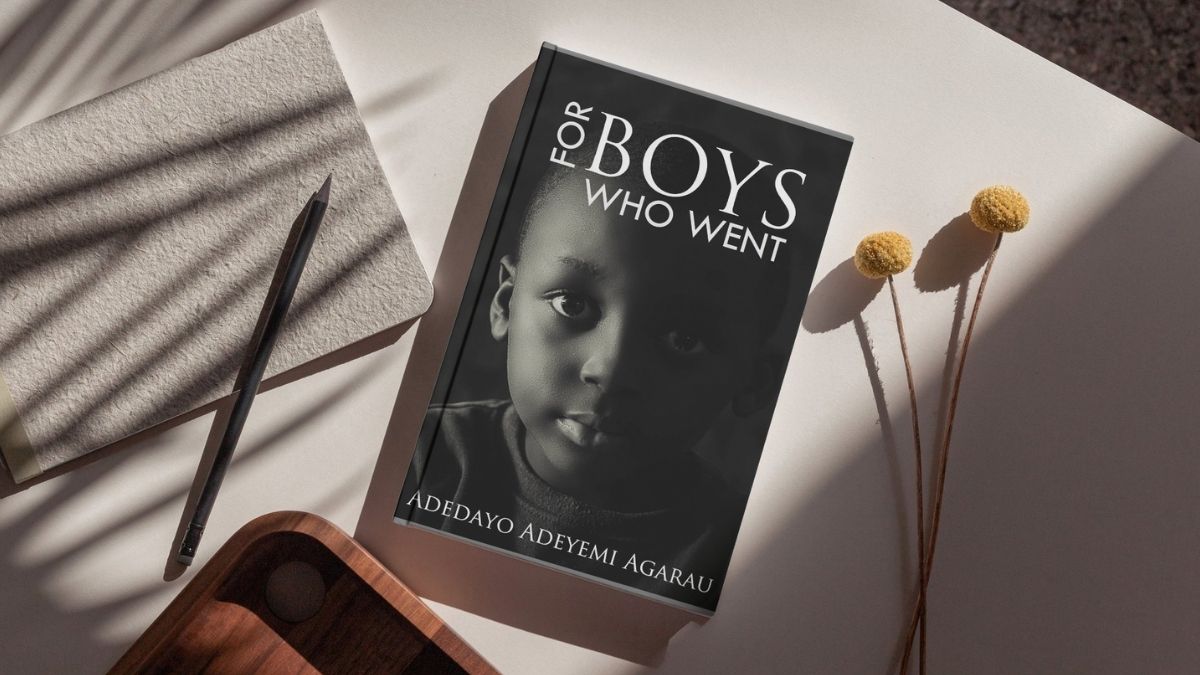

For Boys Who Went may challenge readers with its coarse literary style, which lends the poems a rich and raw intensity. While its expression can feel unrefined at times, the profound impact of its message on the reader’s mind makes it a collection worth revisiting—an offering both thought-provoking and unforgettable.
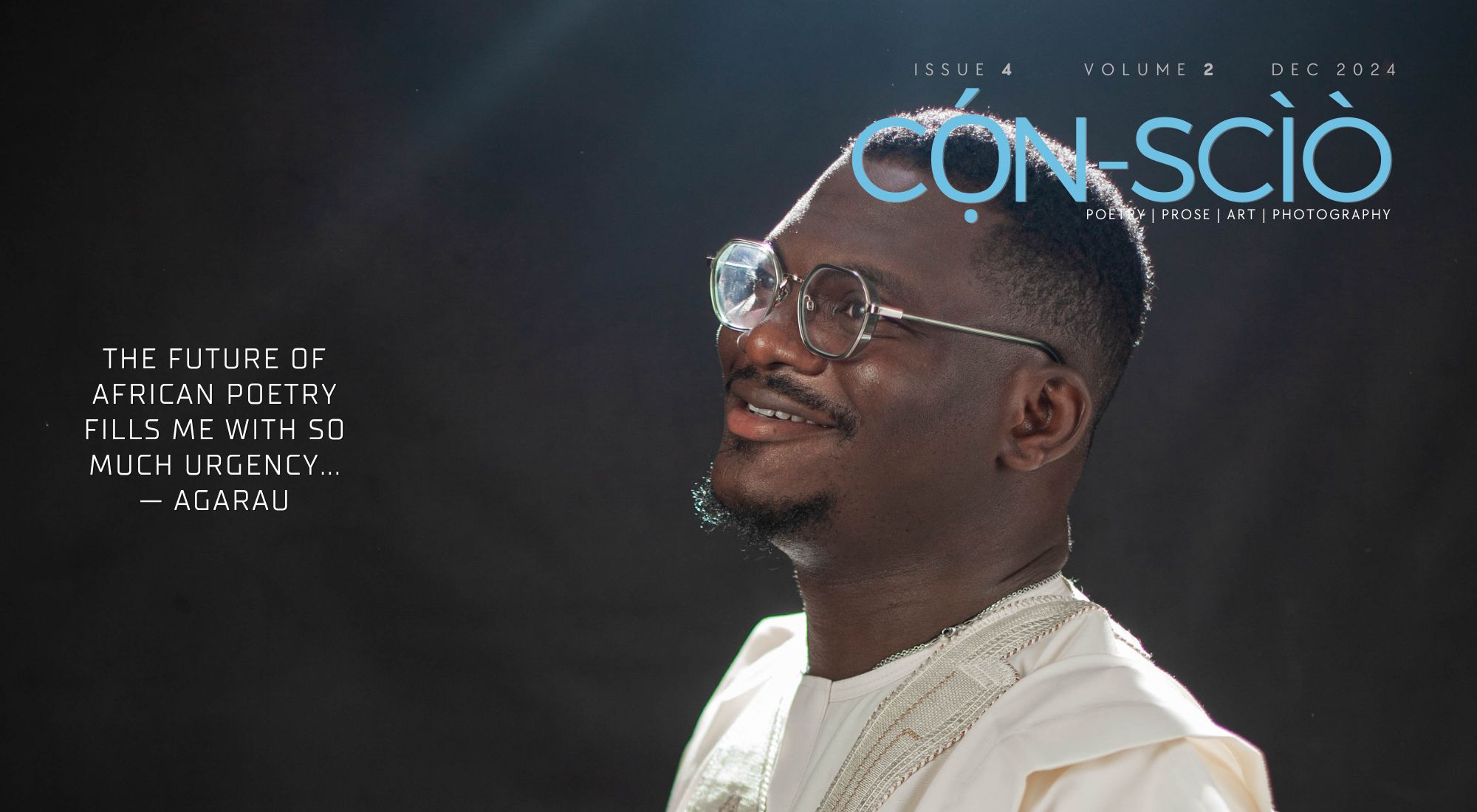
“The Future of African Poetry Fills Me With So Much Urgency…“ | A CỌ́N-SCÌÒ Magazine Interview with Adedayo Agarau
The future of African poetry fills me with so much urgency. My vision for the future is practical: more African-led publishing houses, more translation projects between African languages, and more platforms for critical dialogue.
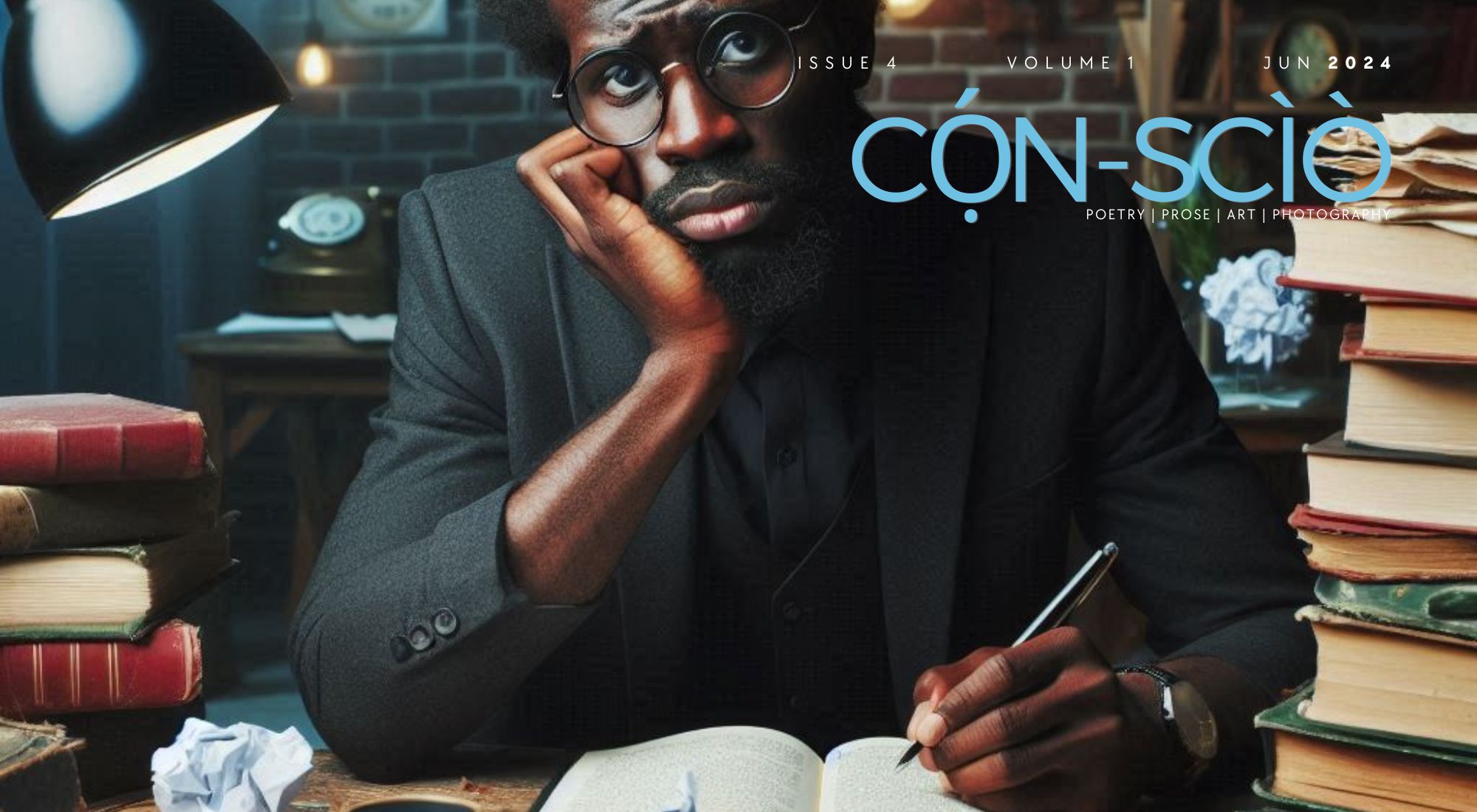
Childhood Trauma & Creativity: Navigating The Ethical Tightrope of Personal Writing | a CỌ́N-SCÌÒ essay by Kukogho Samson
Self-censorship is painful, excruciating, debilitating… It feels like a betrayal of self, an abuse of my creative impulse, and self-entrapment in a cycle of doubt and frustration.

A Jealous Thing: Some Words About Writing | An essay by Moses Eduek
If anything, I only pity him. Writing is a jealous thing. It wants all of you and its rewards come sporadically, sometimes without promise or structure.
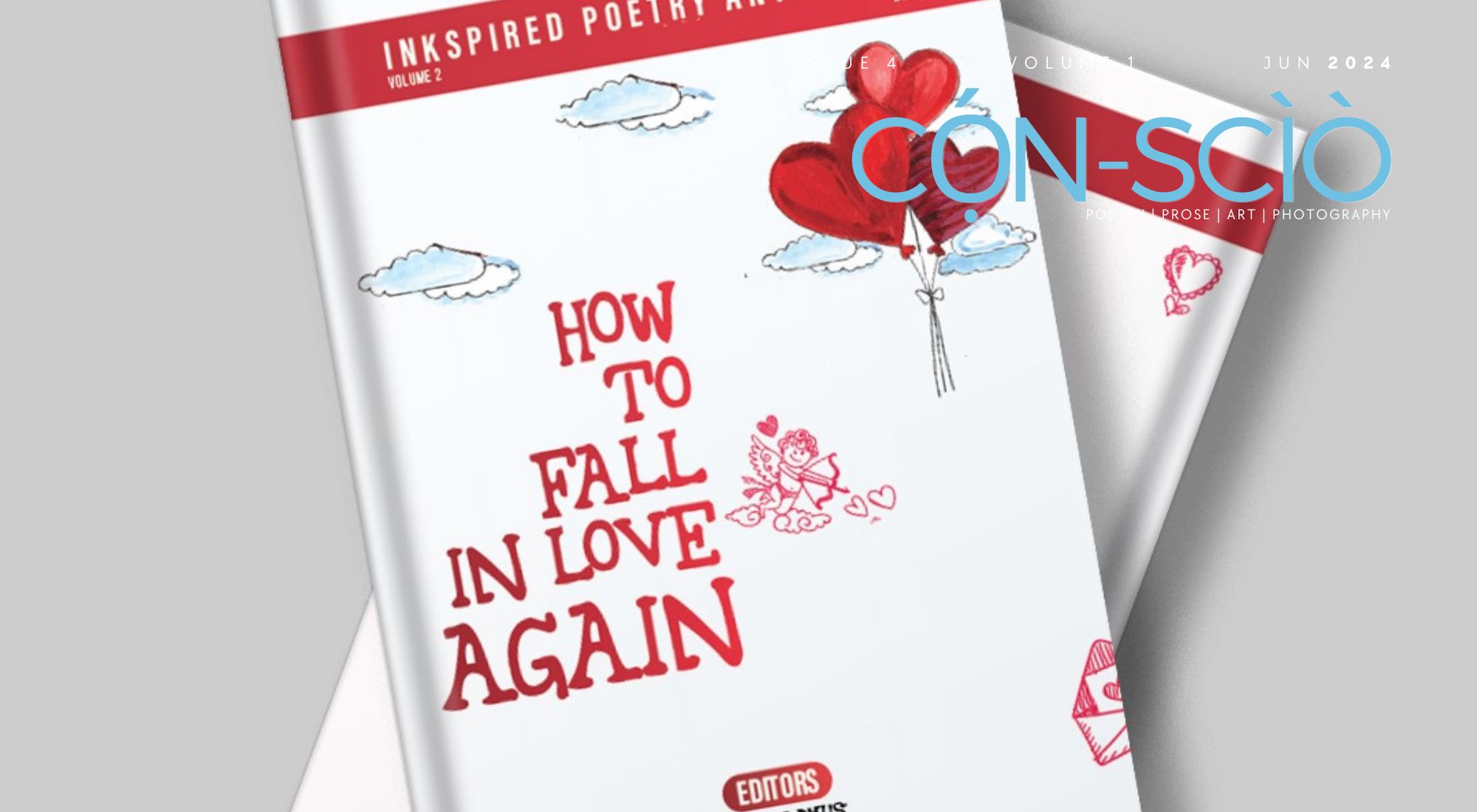
T&Cs of (un)Loving | a CỌ́N-SCÌÒ review of ‘How to Fall in Love Again’ anthology by Michael Chukwuka
The collection demonstrates the practicality of opening yourself to the ultimate possibilities of love even when it is scary. If you think not loving is beautiful, have you ever been truly loved or truly loved?
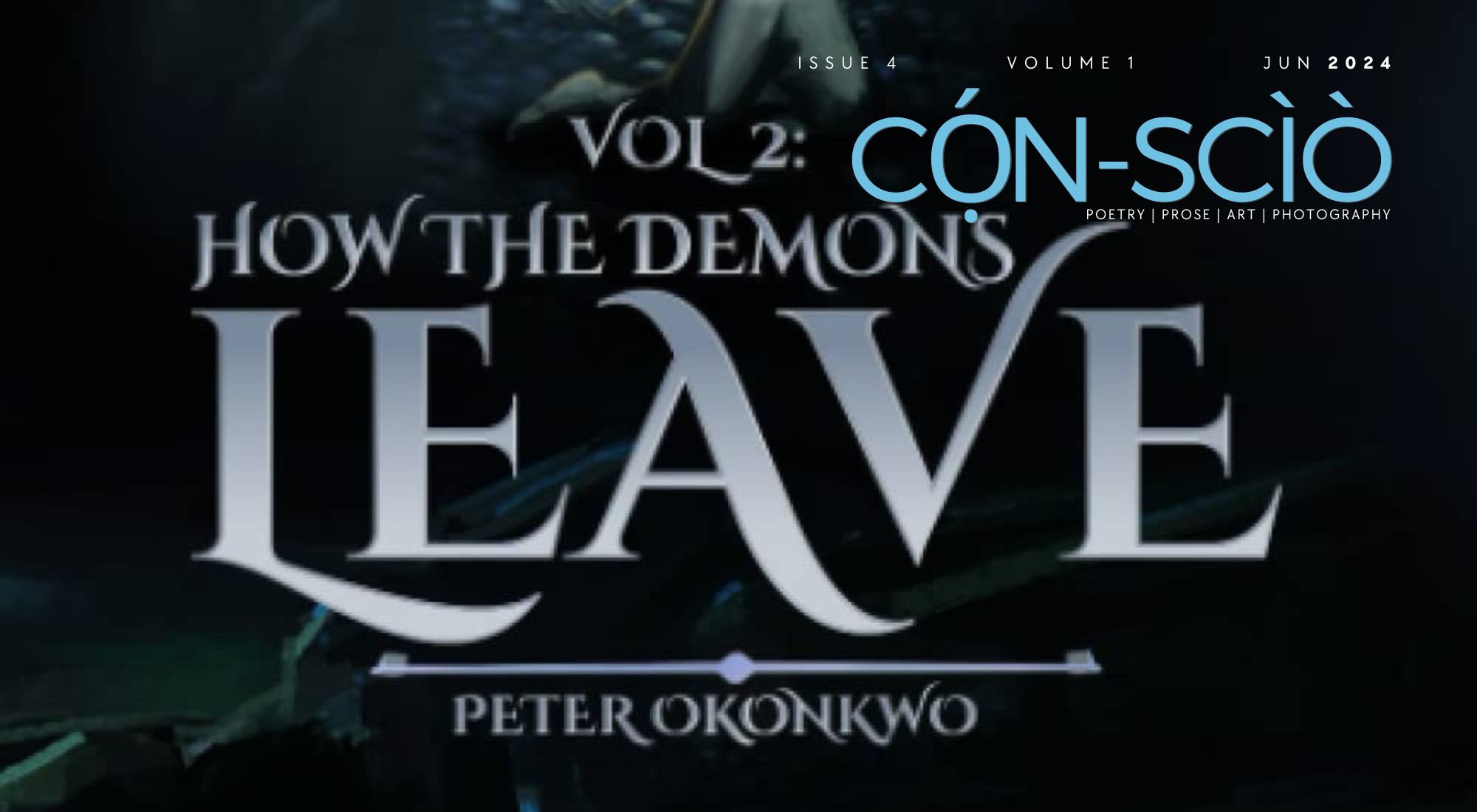
WARFARE ON PAPER | a CỌ́N-SCÌÒ review of Peter Okonkwo’s ‘How the Demons Leave’ by Jide Badmus
Although How the Demons Leave offers some clarity, it gathers its own clouds of mysteries. Why are these spiritual forces devoted to destroying man? Why does it seem the malevolent spirits are more potent, more active than the beneficent forces?
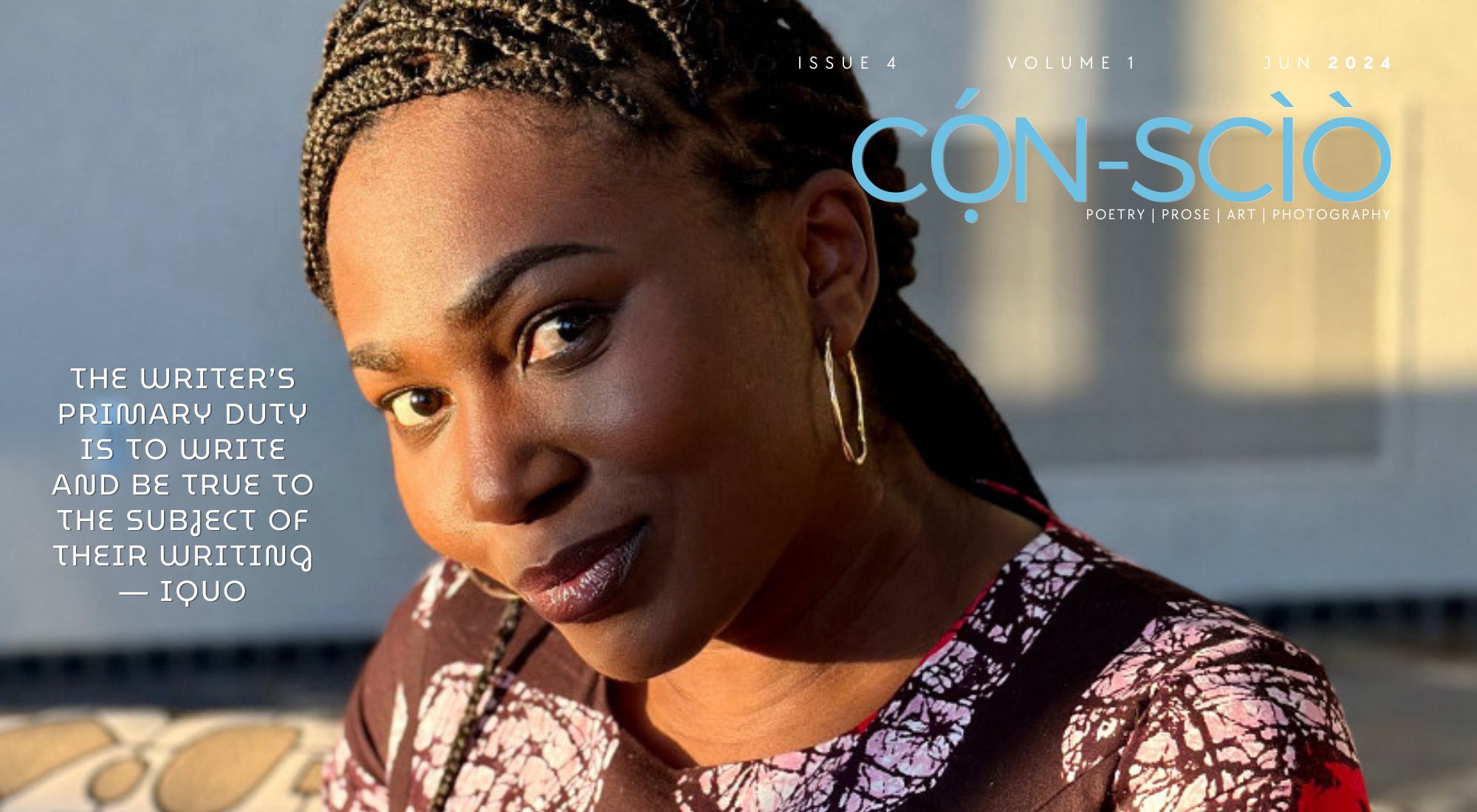
“The Writer’s Primary Duty Is To Write And Be True To The Story Or Subject Of Their Writing“ | A CỌ́N-SCÌÒ Magazine Interview with Iquo DianaAbasi
For this kind of social engineering to happen, there must first be an alteration or elevation of thought and consciousness; and how better to achieve this than with written work or literature in general?
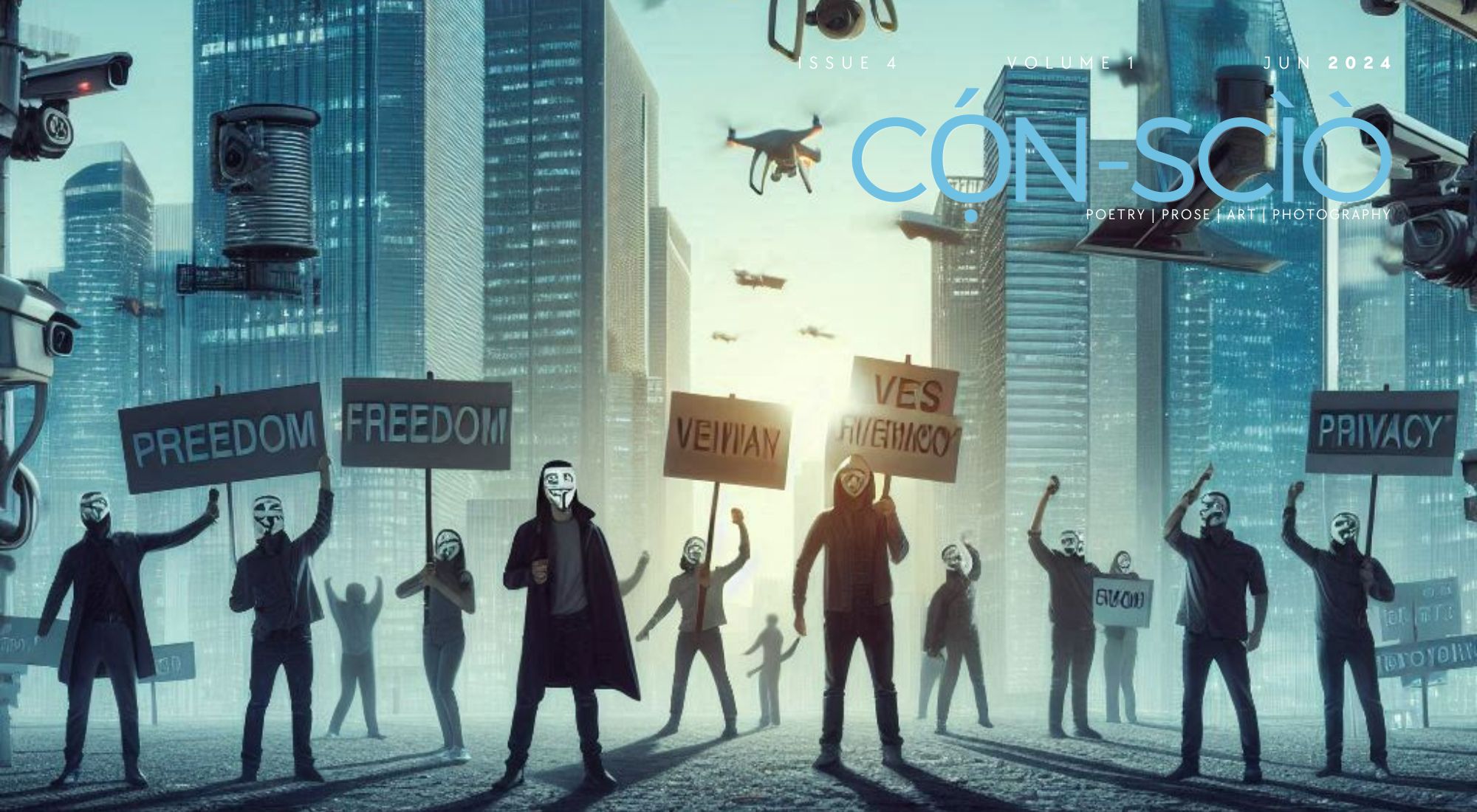
Freedom (Between Parenthesis) | a CỌ́N-SCÌÒ essay by Donato Cinicolo
All my thoughts and comments are scanned by ‘bots using AI looking for provocative keywords and other clues.
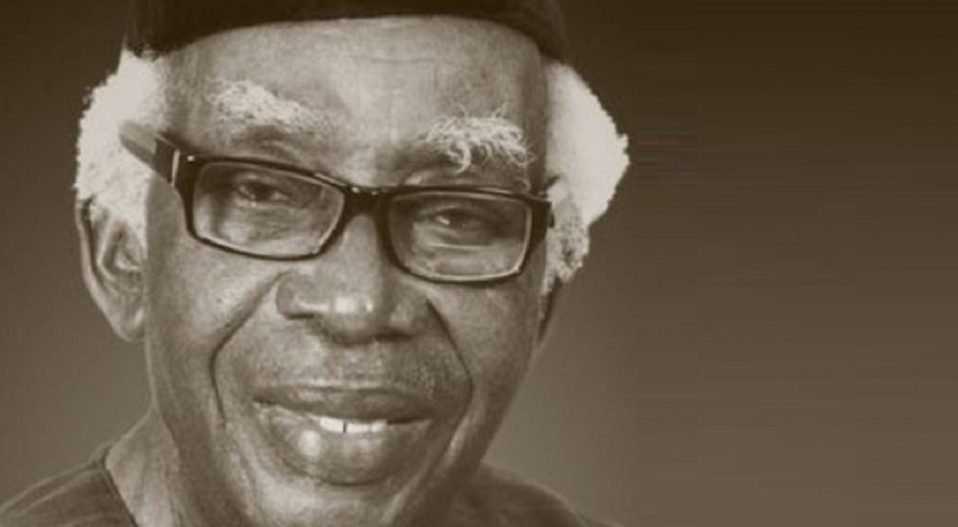
The Lost Laughter: An Analysis of Gabriel Okara’s “Once Upon a Time”
Gabriel Okara’s Once Upon a Time is a profound meditation on the erosion of authenticity in the face of societal change. Through its accessible narrative style, potent metaphors, and effective use of contrast and repetition, the poem powerfully articulates a universal yearning for a return to genuine human connection and a critique of the masks we learn to wear.

My Writing Journey: A Glimpse Into What Inspired Me to Start & What Keeps Me Motivated | an essay by Yahuza Usman
I look back at this journey with gratitude. It’s a journey filled with wonder, excitement, and productivity, rejuvenating my spirit during moments of doubt.