

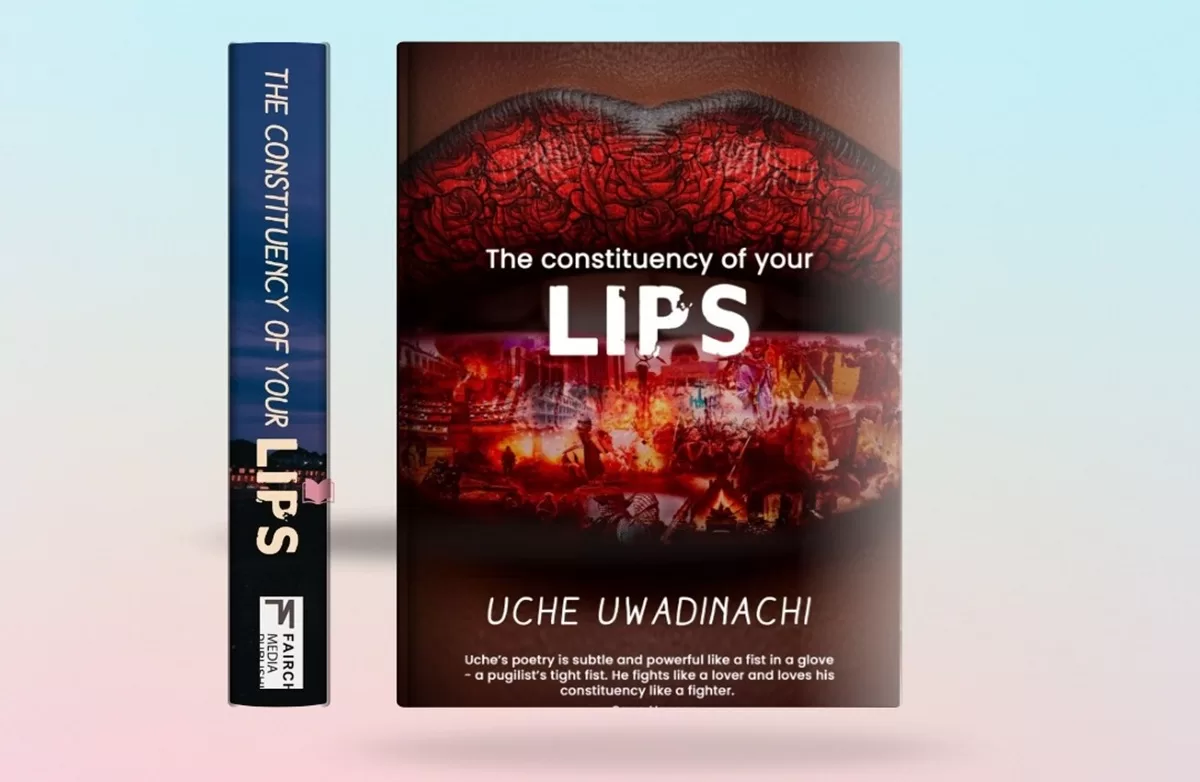

In “The Constituency of Your Lips”, love goes further than romantic attraction; it becomes a search for truth, an attempt to, as the author himself puts it “interrogate that fragile space where love and leadership intersect — where the personal meets the political.”
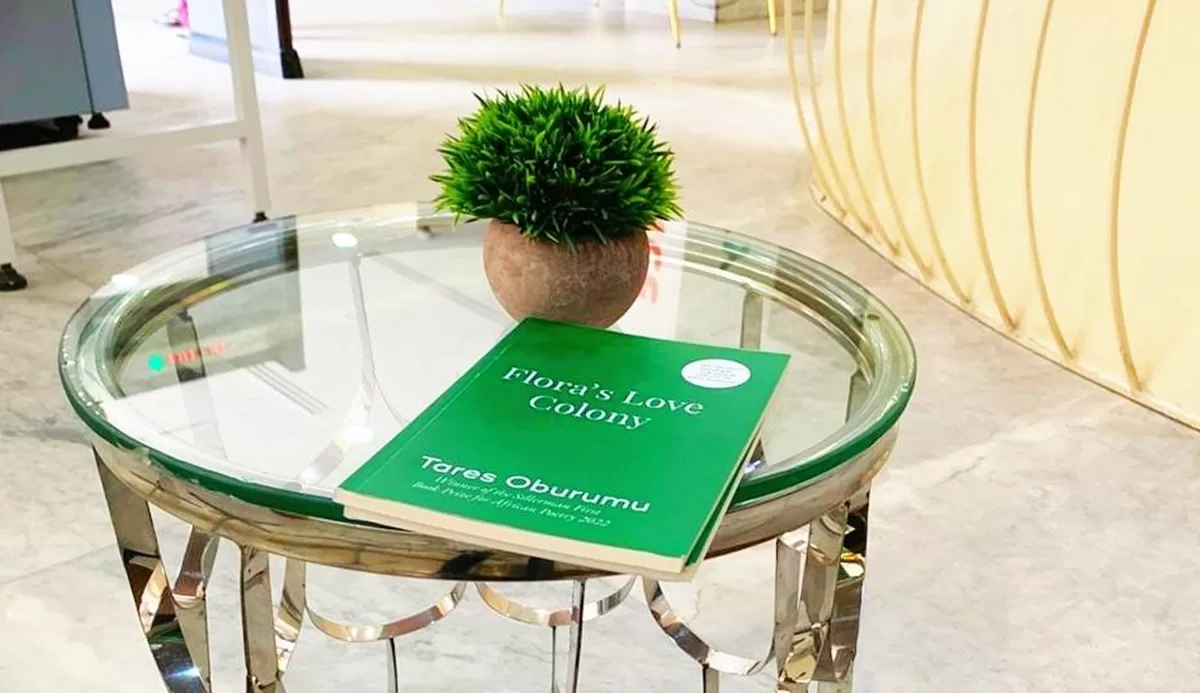
SATIRE AND SEED: THE UNENDING BLOOM OF COLONIALISM | A Review of Tares Oburumu’s ‘Flora’s Love Colony’
The poems are an adventure into the vast world of interracial affairs, producing for their immediacy the obsession with cultural integrity and boundary sensibility. This in itself is not the ultimate denunciation of the interference so addressed; rather, it undergirds the multiple thematic tours from personal to societal concerns.
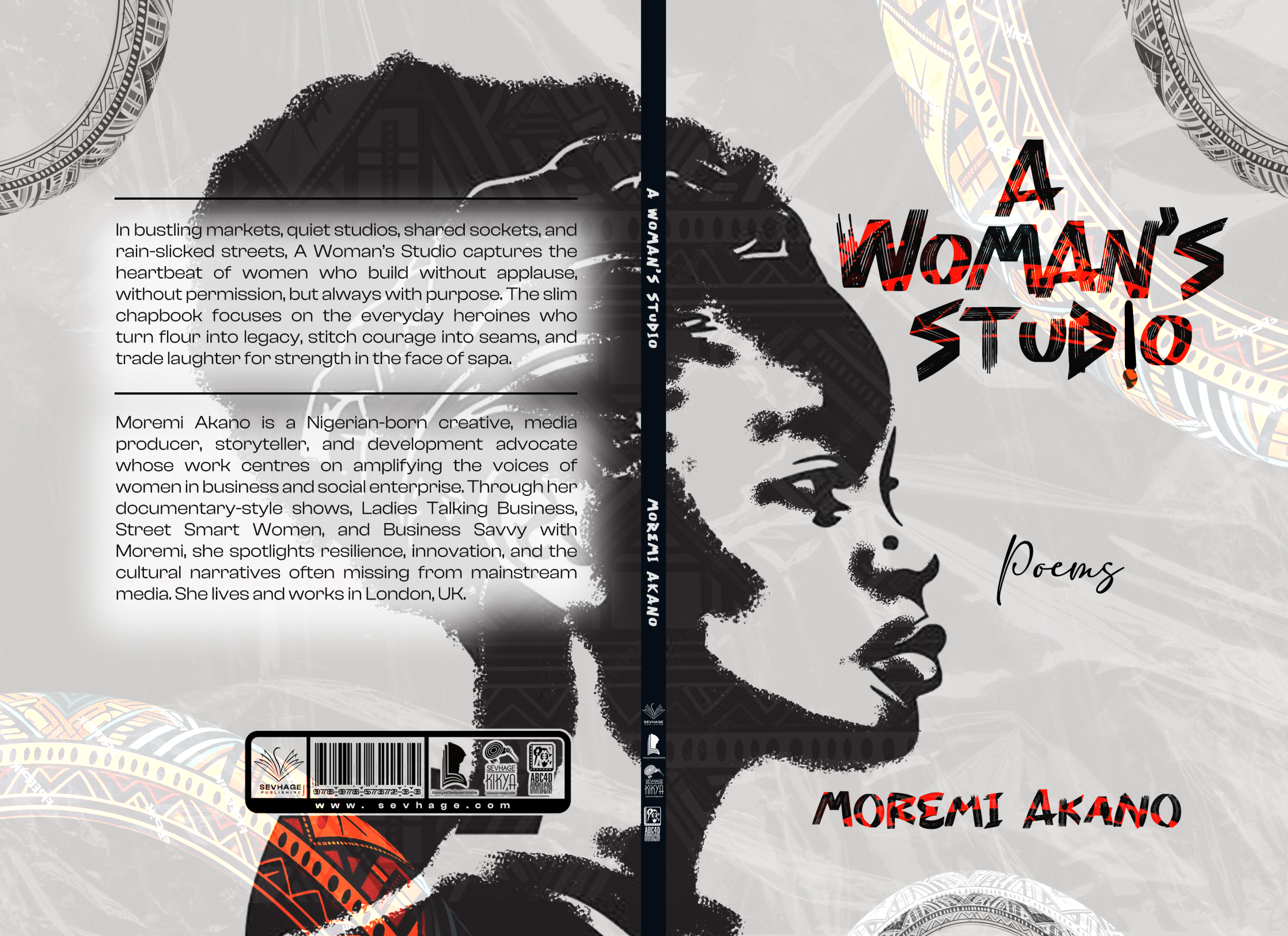
STUDIOS OF SURVIVAL: A READING OF MOREMI FOLAKE AKANO’S ‘A WOMAN’S STUDIO’ by Soji Cole
Moremi [Folake] Akano's A Woman's Studio is a slim chapbook of short but impactful poems, what one can call poetic vignettes that transform the often overlooked spaces of women's labour...
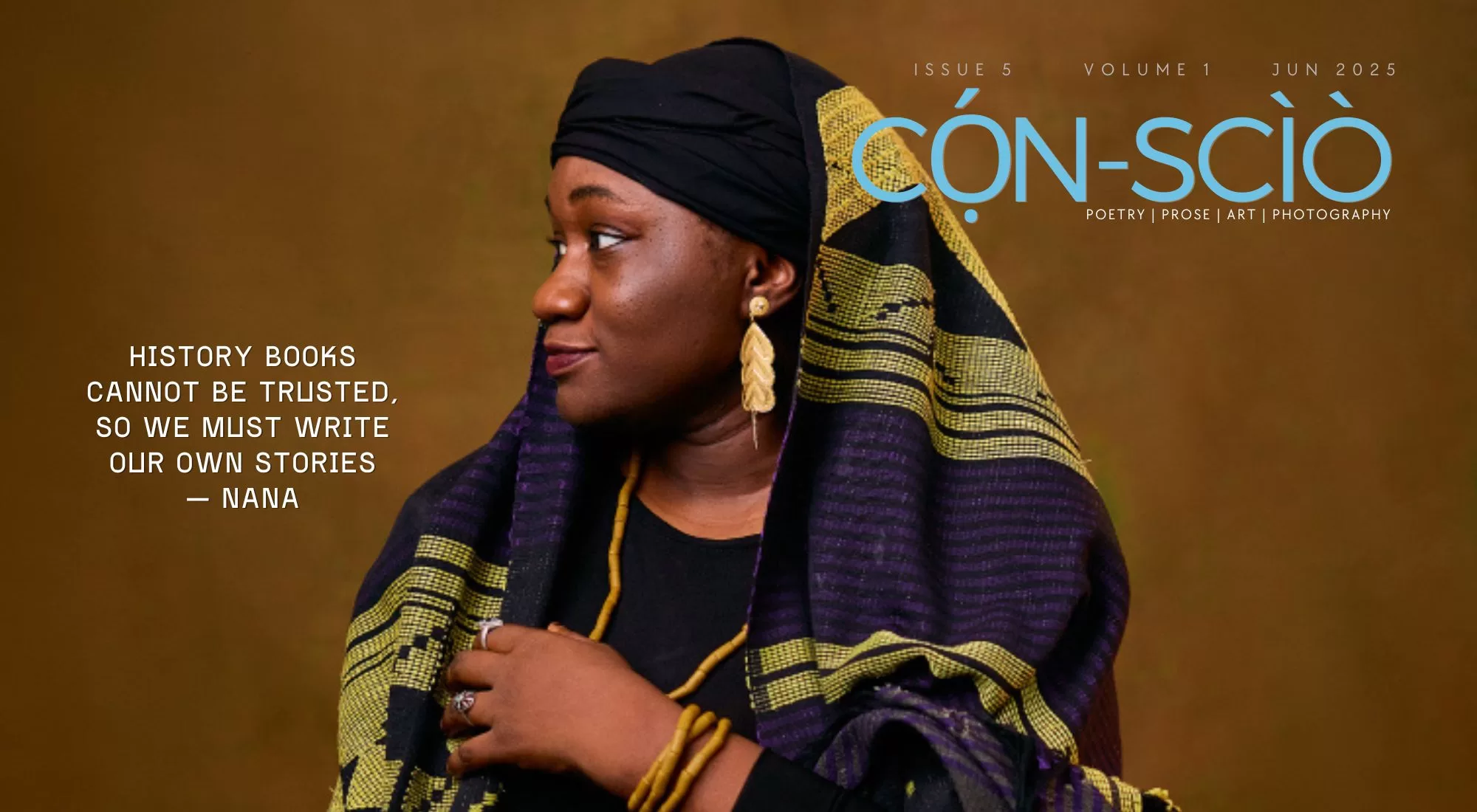
“History Books Cannot Be Trusted, So We Must Write Our Own Stories…“ | A CỌ́N-SCÌÒ Magazine Interview with Nana Sule
We have to write. History books cannot be trusted. We must write our stories, weave them into art, painting, poems—because at the very least, we have to let it be known that we tried. That we resisted. That we didn’t want this to happen, but it did.

Reading Impunity As Nigeria’s Truth | a CỌ́N-SCÌÒ review of Faith Ose Ebhodaghe’s ‘Impunity’ by Izang Alexander Haruna
The thing with impunity is that everyone suffers from its existence… Impunity touches everyone in one way or another.
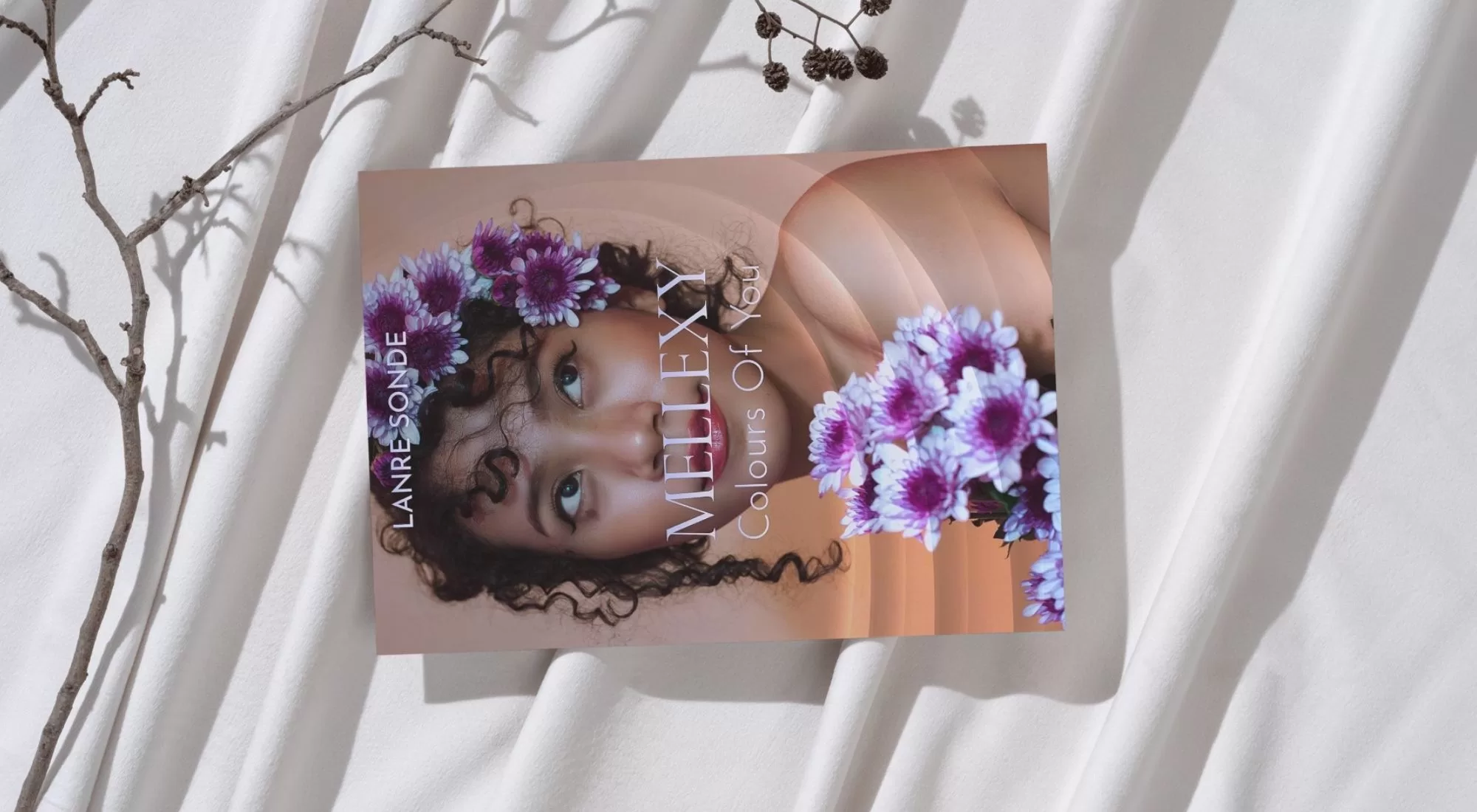
A Palette of Desire | a CỌ́N-SCÌÒ review Lanre Sonde’s ‘Mellexy: Colours Of You’ by Jide Badmus
Sonde’s Mellexy: Colours Of You is a book of utopian love verses and nimble lyrics, something to get lost in while tucked in bed for the night.
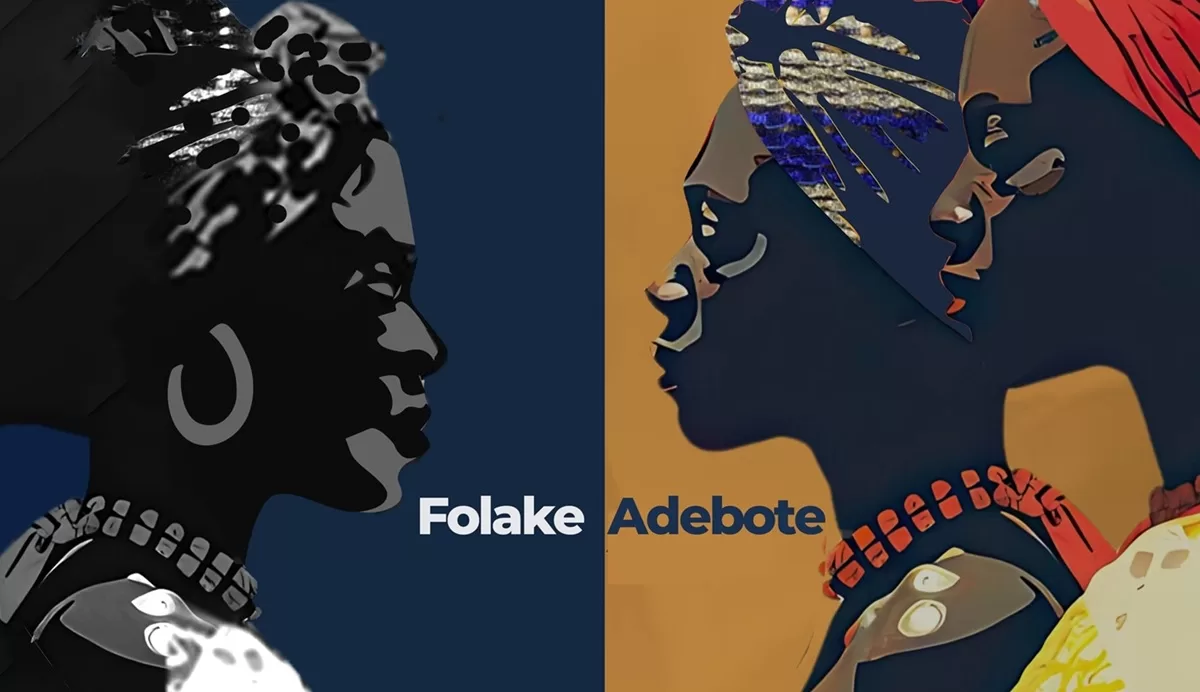
In The Hush Between Lines | a CỌ́N-SCÌÒ review of Folake Adebote’s ‘The Ways We Fought’ by Servio Gbaadmosi
One of the quiet triumphs of The Ways We Fought is its sense of Africanity that does not require assertion. It lives in the rhythm of speech, the weight of names, the presence of community that is, at once, protective in some ways, destructive in more, and always complicit.
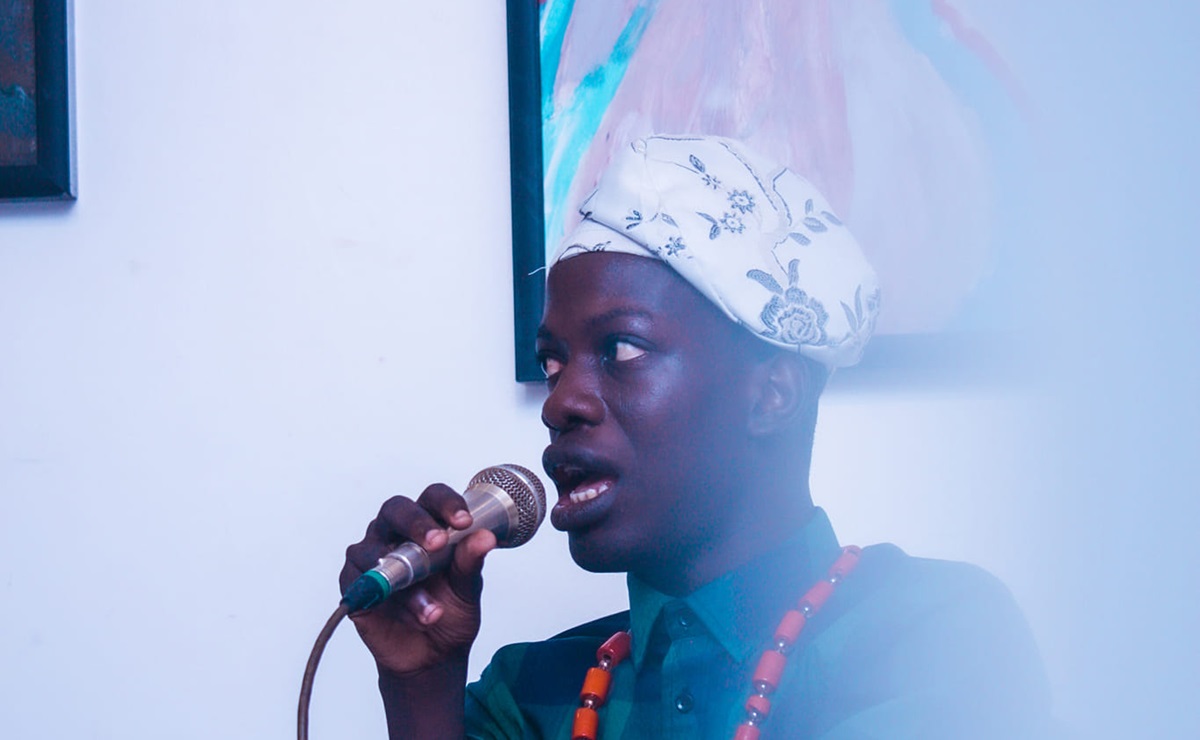
ORÍ: Exploring Yoruba Destiny and Culture Through Spoken Word Poetry | a CỌ́N-SCÌÒ review of Aremo Yusuf Balógun’s “ORÍ” by Tola Ijalusi
ORÍ is a success, bringing attention to a long-present but less-celebrated genre of spoken word poetry in Nigeria.

Medicine: Journaling as Therapy and a Journey to Well-being | a CỌ́N-SCÌÒ essay by Edwin Mamman
Journal writing has profound benefits. For some it boosts confidence, for others it provides relief for the loneliness epidemic plaguing society today.

My Progenitor’s Tongue As a Fireplace Where Hyperbole Singes the Feathers of Euphemism | a CỌ́N-SCÌÒ essay by Taofeek Ayeyemi “Aswagaawy”
In Yoruba, language lifts rocks and holds down birds; offers shelter to feelings, so wide that it becomes scary to stay in.